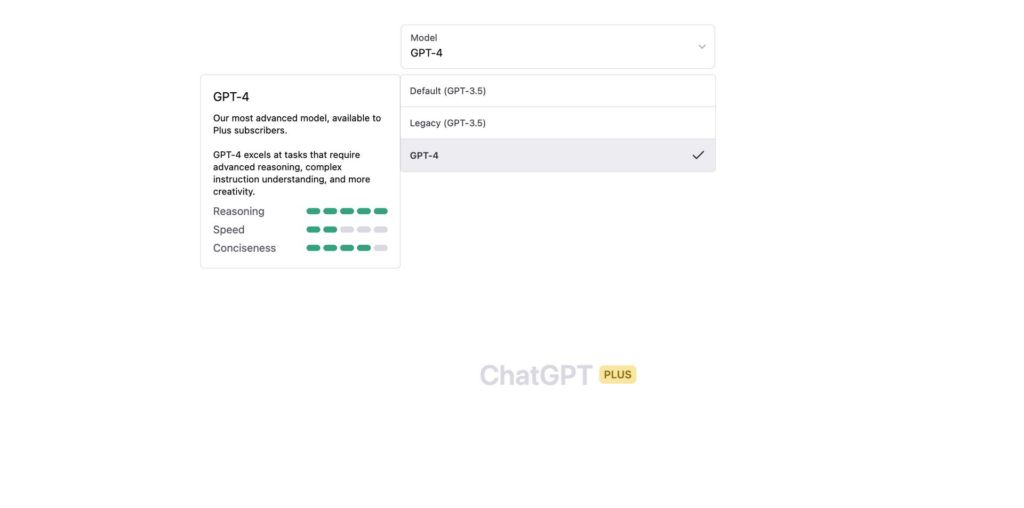
ChatGPT 4 was just released. Many of its new features are really impressive, but for now they’re only available to ChatGPT Plus members, which costs USD $20 per month.
Due to official restrictions, ChatGPT can’t be accessed directly from mainland China. On top of that, ChatGPT Plus requires a U.S. credit card (European cards seem to work as well). This combination blocks quite a lot of people.
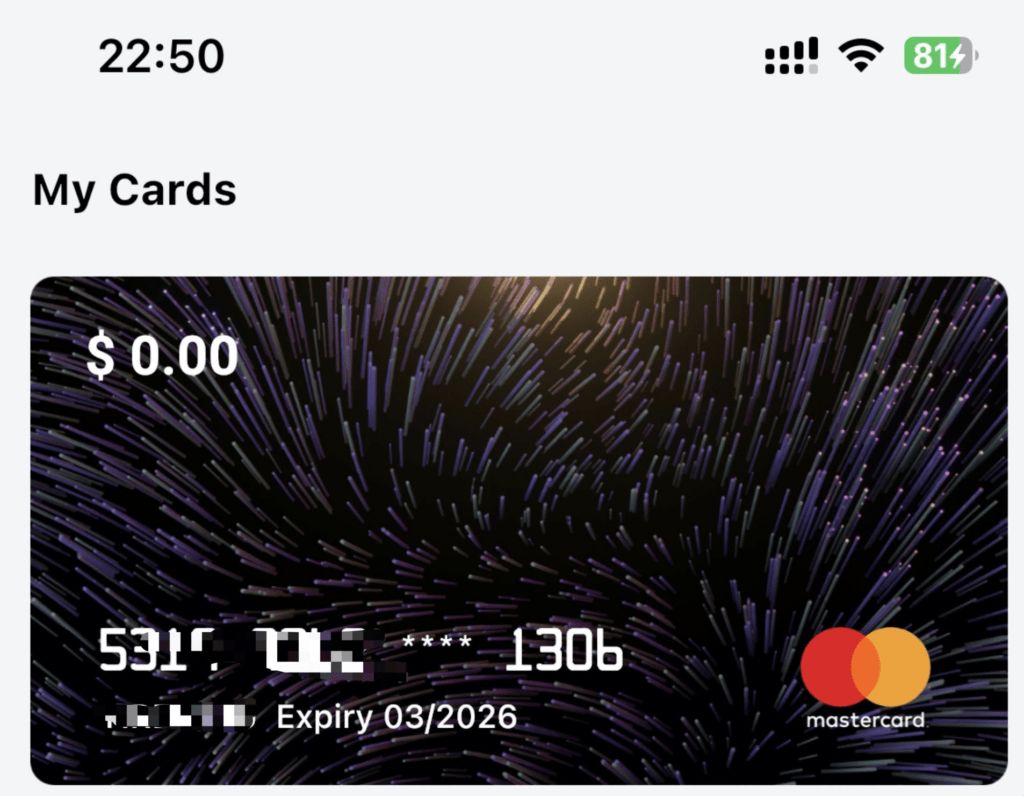
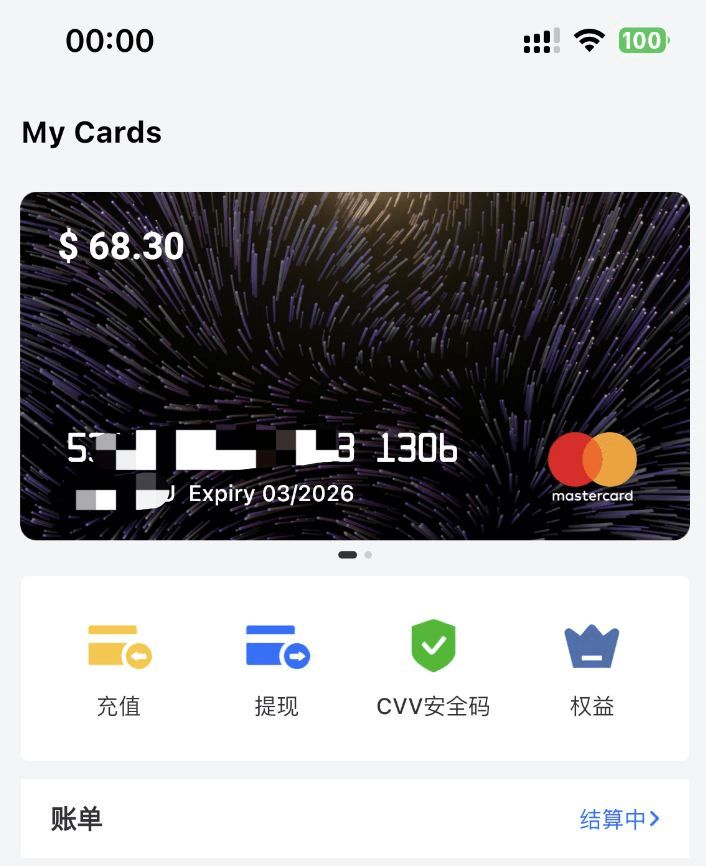
Depay can issue a U.S. virtual bank card for you (strictly speaking, it’s a prepaid debit card with a CVV security code). This card can be used to subscribe to ChatGPT Plus (and plenty of other services; see the detailed card description at the end). However, you must top it up and activate it using USDT (a cryptocurrency).
So the core problem becomes: how do we obtain USDT? If you’re new to this, you can buy some via OKX, a crypto exchange. I personally already had some in my Tronlink wallet (a crypto wallet), so I didn’t need to buy more.
Once you have USDT, transfer it into your Depay wallet to activate the virtual card. Then log in to OpenAI on the official website, bind the card, fill in a U.S. address (use a tax‑free state address), confirm, and you should be successfully subscribed.
Since Depay doesn’t support direct RMB top‑up, we must use an exchange to complete the RMB → USDT → USD conversion. Once there’s USD in your Depay account, you can then pay for ChatGPT Plus.
For those unfamiliar with USDT, a quick explanation: USDT (Tether) is a stablecoin pegged to the U.S. dollar, issued by a large financial institution that claims to fully back it with USD reserves. In theory, as long as USD exists, USDT does as well, so you don’t need to worry too much about security. (That said, there’s no reason to top up a huge amount in one go—just deposit as much as you plan to use and reduce your risk.)
As for exchanges, due to regulation in mainland China in recent years, the major reliable exchanges left are basically OKX and Binance. Here we’ll register an OKX account. Click here (don’t use a proxy; visit directly).
After registering your OKX account, download and install the app. If your system warns about security risks during installation, remember: for this type of app, always download from the official site.
If you’re an iPhone user, you’ll need to sign in to the App Store with an overseas Apple ID to download the app. How to get an overseas Apple ID is beyond the scope of this post—you can easily look it up. In short: register a normal Apple ID, change the country, and attach a U.S. address. You can generate a U.S. address here: https://www.meiguodizhi.com/usa-address/oregon
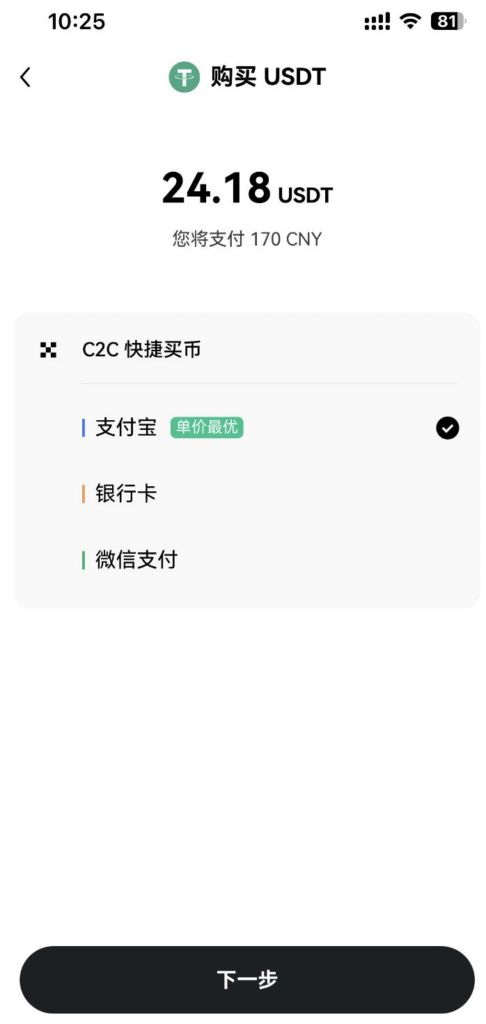
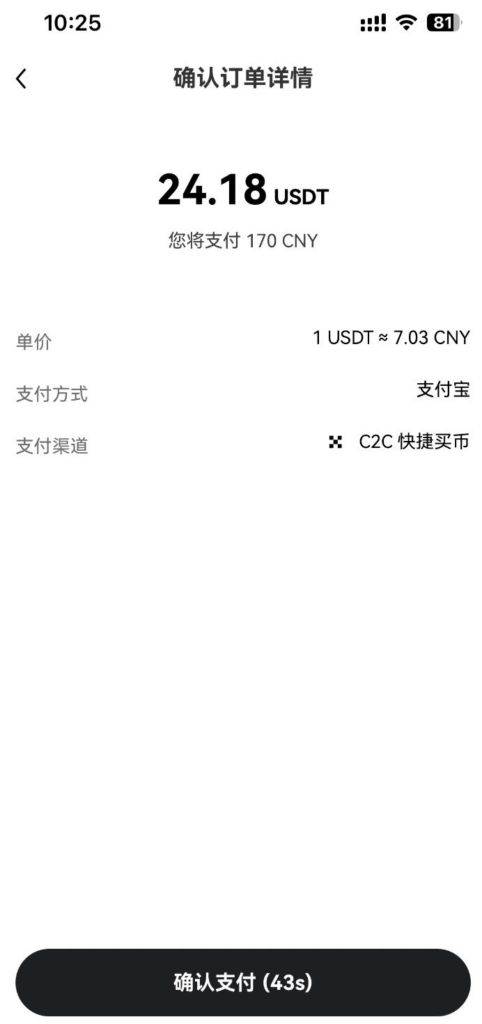
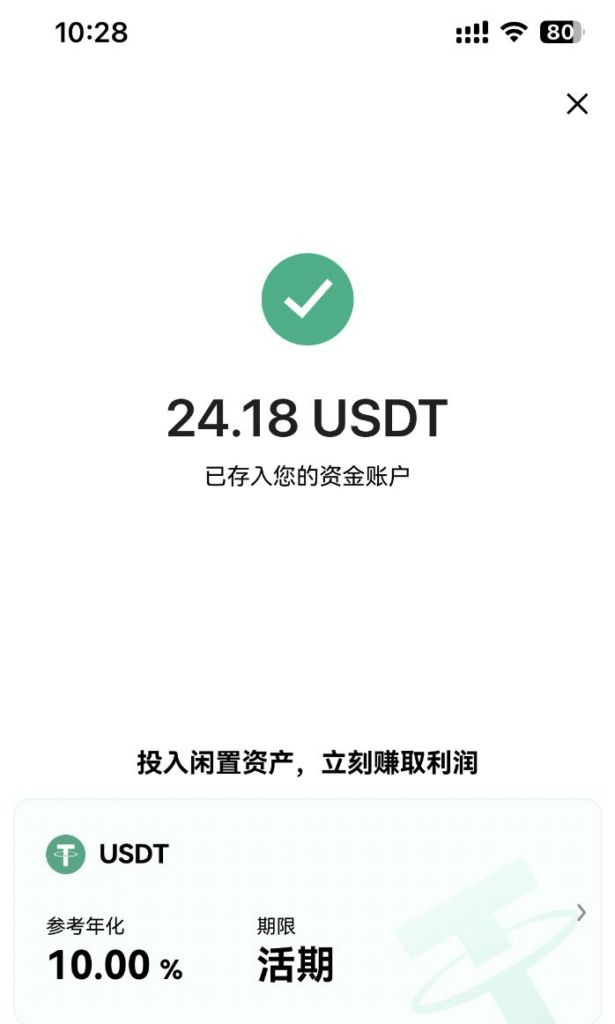
Once the OKX app is installed, open it and go to the home screen → Buy Crypto / Deposit Crypto → I want to buy → select USDT → buy 25 USDT (around ¥170 is enough; if you plan to open a Depay Lite card, you’ll need to buy more, see 3.2.2 Apply for Your First Card) → you can pay via Alipay, WeChat, or bank card.
You can choose Alipay. Usually you’ll be asked to add the merchant as a friend and then transfer the money.
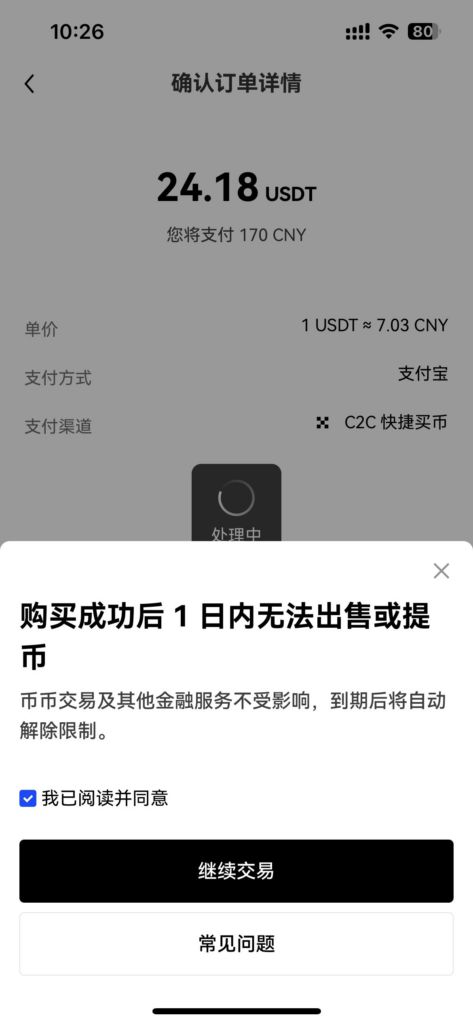
Important: by default, new OKX users must wait 24 hours after identity verification before they can withdraw. If you’re in a hurry to withdraw to Depay, you can try contacting customer support and explaining your situation—there’s a chance they’ll lift the 24‑hour limit. If you’re really in a rush, you can also ask a Depay agent to top up for you, but they usually charge a service fee with an exchange rate around 1<8>. Personally, I think it’s unnecessary and a waste of money.
Once you’ve completed the step above, you’ve effectively converted RMB → USDT.
Note: You often hear stories about someone who made hundreds of times their money trading coins or futures and became “financially free”. I still don’t recommend that you trade crypto speculatively—it’s very risky. You can’t sustainably earn money beyond your own understanding; even if you do, you’ll likely lose it in some other way. Very few people can rein in their greed. Yes, some people make money, but far more lose it. Don’t jump into this lightly.
ChatGPT Plus requires a U.S. card. Domestic dual‑currency or all‑currency cards generally don’t work. So we’ll use Depay to open a U.S. virtual bank card.
What’s clear is that it’s a company founded by Chinese speakers and has the following features:
Depay Master/Visa cards support binding to Alipay, WeChat Pay, Meituan, Pinduoduo, PayPal (CN/US/HK regions), Tmall Global, etc.
Supports payment for ChatGPT Plus, Stripe merchants, Google Play Store, YouTube Premium, PayPal merchants, U.S. App Store, and e‑commerce sites that accept non‑3DS cards.
Supports binding directly on Apple’s official Chinese website to buy iPhone and Mac. They may call to verify; just answer honestly.
Supports USDT top‑up, then direct spending via VISA/Mastercard, avoiding OTC exchange risks (lots of people have had bank accounts frozen).
Can open cards without KYC (but with activation fee and monthly fee), supports USDT top‑up, and enables fully anonymous payments (details later).
Register a Depay account here: Depay signup. You can use either email or phone; I used a Gmail account. (My referral code is: 749432)
During use, I noticed a small issue: sometimes Depay verification codes arrive slowly, so be patient. If you haven’t received it after 2 minutes, request a new code.
After registration, you’ll be asked to download the app. iOS users need an overseas Apple ID; Android users can simply download it (again, for this kind of app, always download from the official site). Once installed, log into Depay with the account and password you just registered.
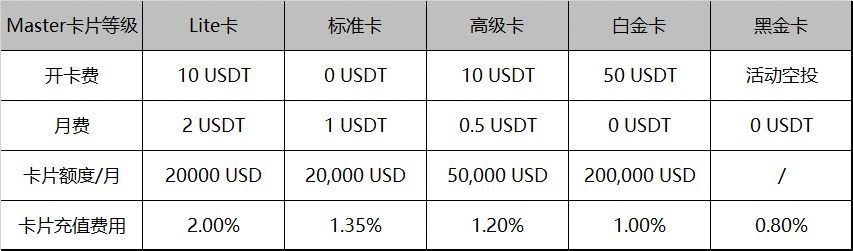
Tap “Apply Card” in the top‑left corner of the Depay app to open a virtual bank card. You can choose a 0‑USDT activation fee card or a 10‑USDT activation fee card.
The difference: the 0‑USDT card requires KYC verification (i.e., uploading your ID card or passport—Chinese ID is fine). If you don’t want to submit your ID/passport for now, choose the 10‑USDT activation card. In that case, remember to transfer an extra 10 USDT when you top up. Advanced and Platinum cards have activation fees of 10 USDT and 50 USDT respectively. Whether to open them is up to you; the differences are in monthly fees, service fees, and limits.
I opened a standard MasterCard.
Choose according to your own needs.
Note: If you intend to stay anonymous from the very beginning, choose a Lite card. If your goal is to upgrade to higher‑tier cards quickly, then start directly with a Standard card, because Advanced, Platinum, and Black cards all require KYC.
Once the card is created, you can top up USDT into Depay.
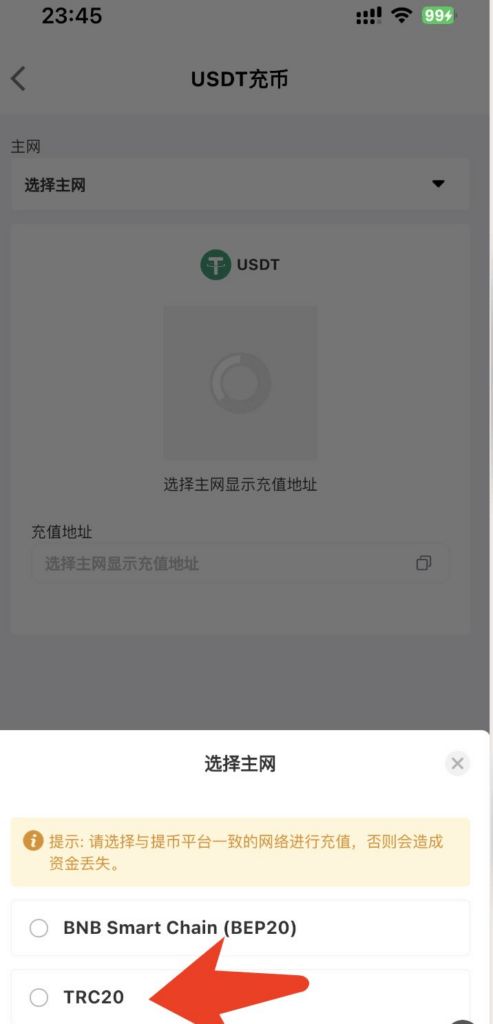
In the Depay app, go to Wallet → USDT → Deposit → copy your deposit address. Make sure the network shows TRC20.
Do not copy the wrong deposit address!
Open the OKX app, and go to Home → Assets → Withdraw → USDT → On‑chain withdrawal.
For withdrawal address, paste the Depay deposit address.
For network, select TRC20 (do not choose the wrong one or your funds will be lost).
For amount, choose more than 23 USDT. That’s enough to pay for one month of ChatGPT Plus. Then submit and wait for it to arrive.
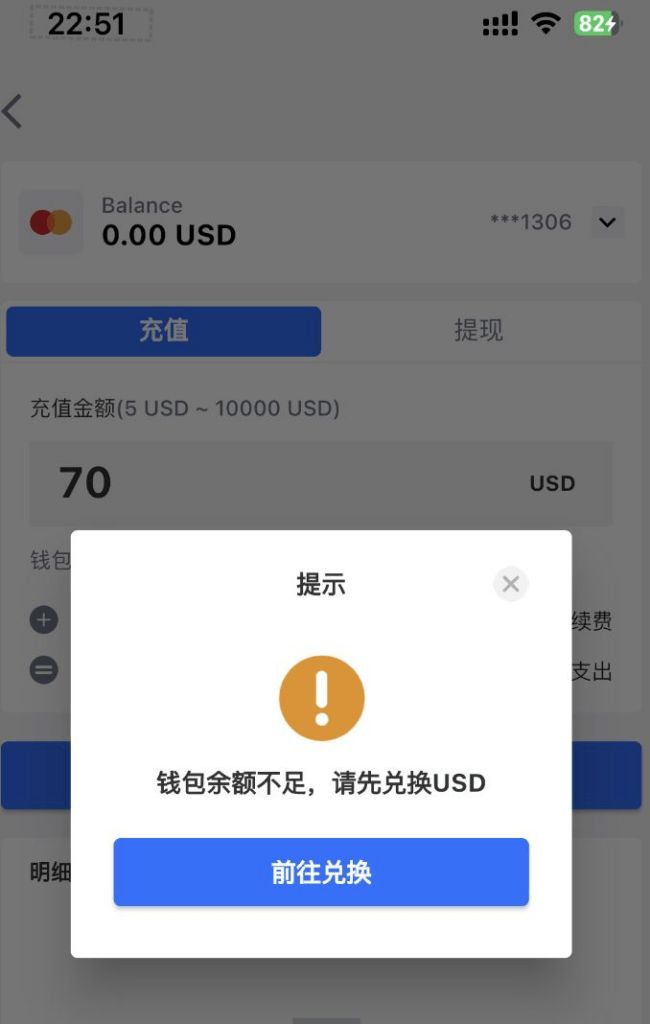
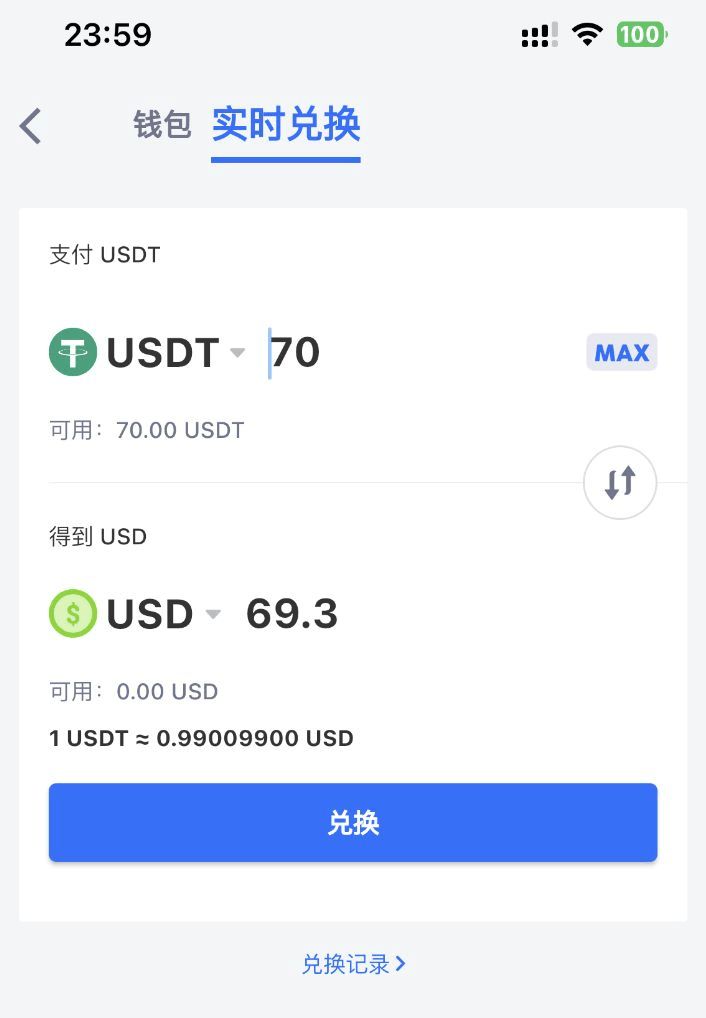
After OKX has successfully withdrawn to Depay, convert your USDT to USD in Depay, and then fund the card.
In my case, my OKX account was also new, so I simply transferred USDT from my Tronlink wallet to Depay, since I plan to keep renewing Plus. I directly sent 70 USDT.
Deposit the exchanged USD to your card. After activation, your card will be funded; mine is valid for three years.
Tap the CVV security code and complete an SMS verification to view the detailed card information.
Keep this information safe. With it, you can now bind the card to open ChatGPT Plus.
However, the tax‑free address I used kept being rejected, so I ended up using a California address instead (probably related to IP).
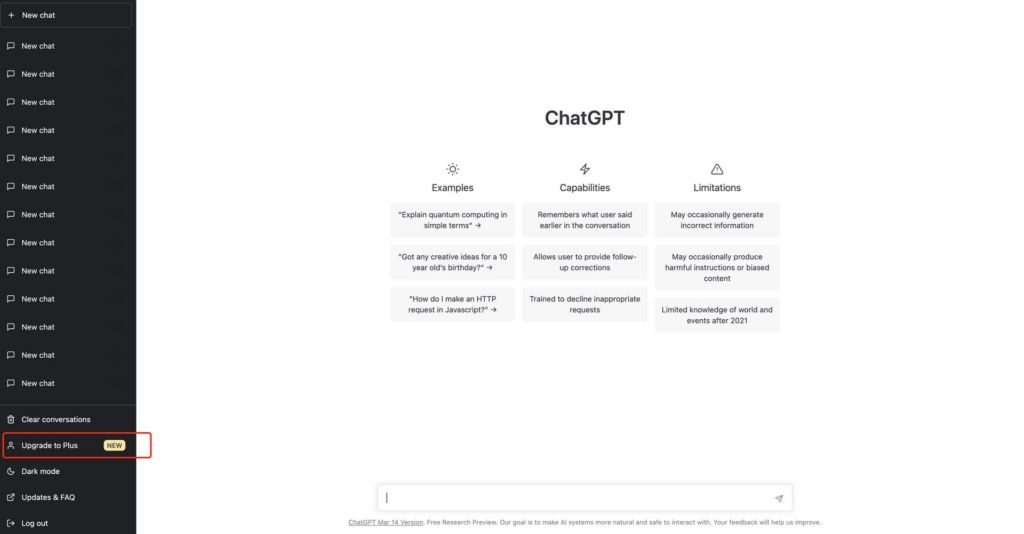
Log in to the official site. Make sure your network environment is set to the U.S. (last I checked, only the U.S. and parts of Europe could upgrade to Plus; feel free to correct me if that has changed). Click “Upgrade to Plus” (you need an international IP for upgrading; after that it’s not strictly required).
Notes: Use a U.S. or European IP if possible, and open your browser in Incognito/Private mode.
If you’re not sure whether your IP is in the U.S. or Europe, check at http://en.ipip.net/. Avoid heavily shared proxies—they fail easily. If payment fails, switch to a few different proxies and try again.
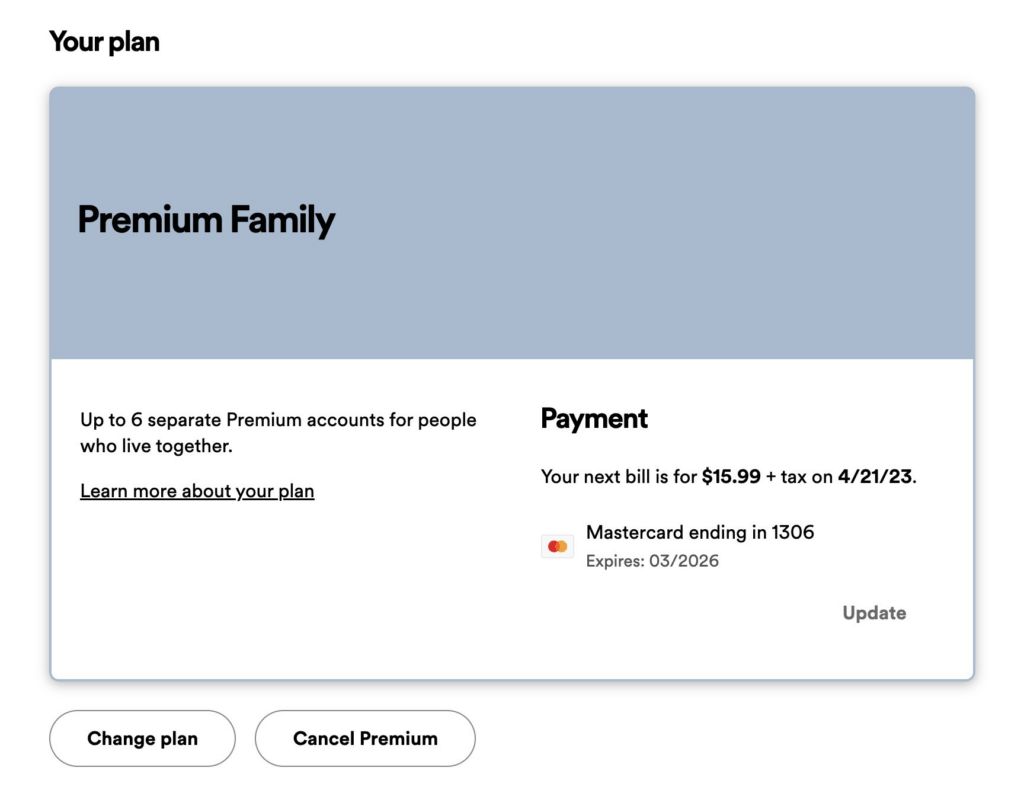
In the subscription popup, you’ll need to fill in your card details. Just use the info from Depay.
Here we’ll choose Google Maps instead of an address generator. In my tests, I needed a Nevada address, but the generator gave me one that turned out to be in Pennsylvania when I checked.
Open Google Maps, search for the city where your IP is located, zoom in to find a street, click a house, and check on the left whether the building is actually a residence.
Once confirmed, copy the address and ZIP code.
Click Subscribe, and you’ll see a loading spinner…
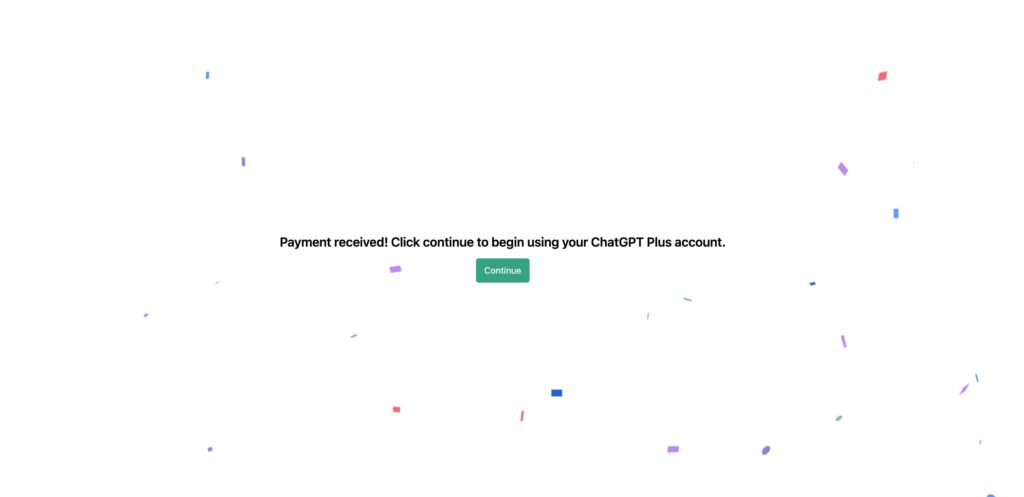
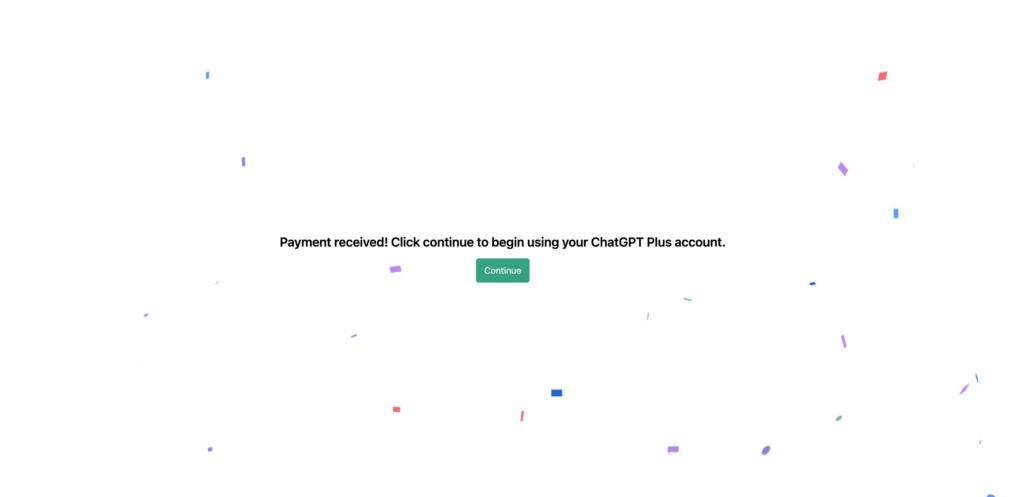
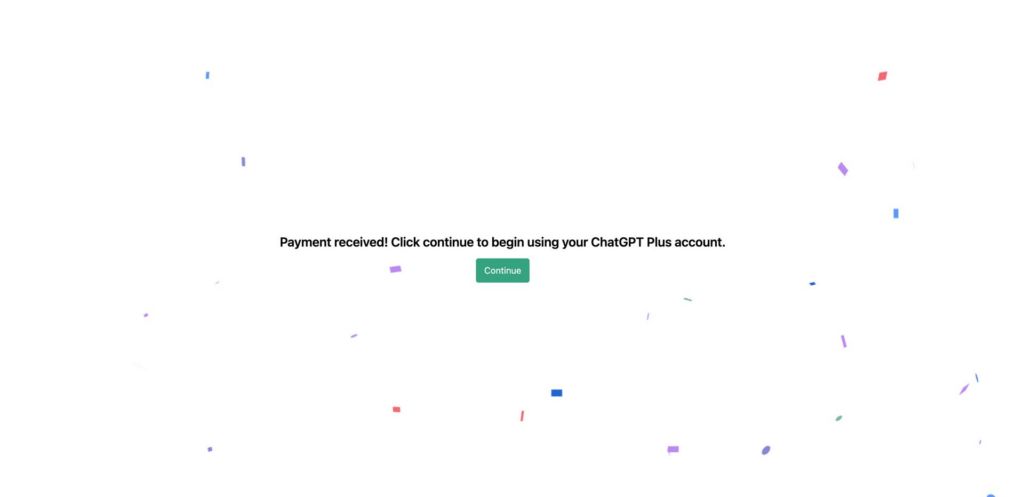
After a while, you’ll see a “Subscription Successful” prompt with confetti all over the screen!
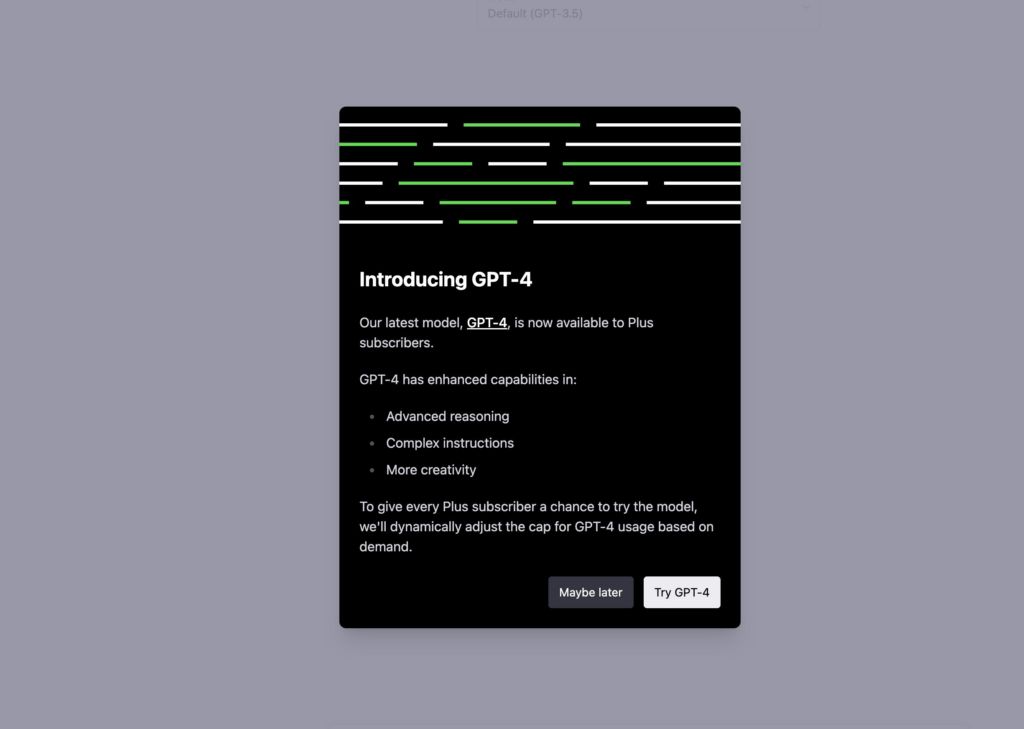
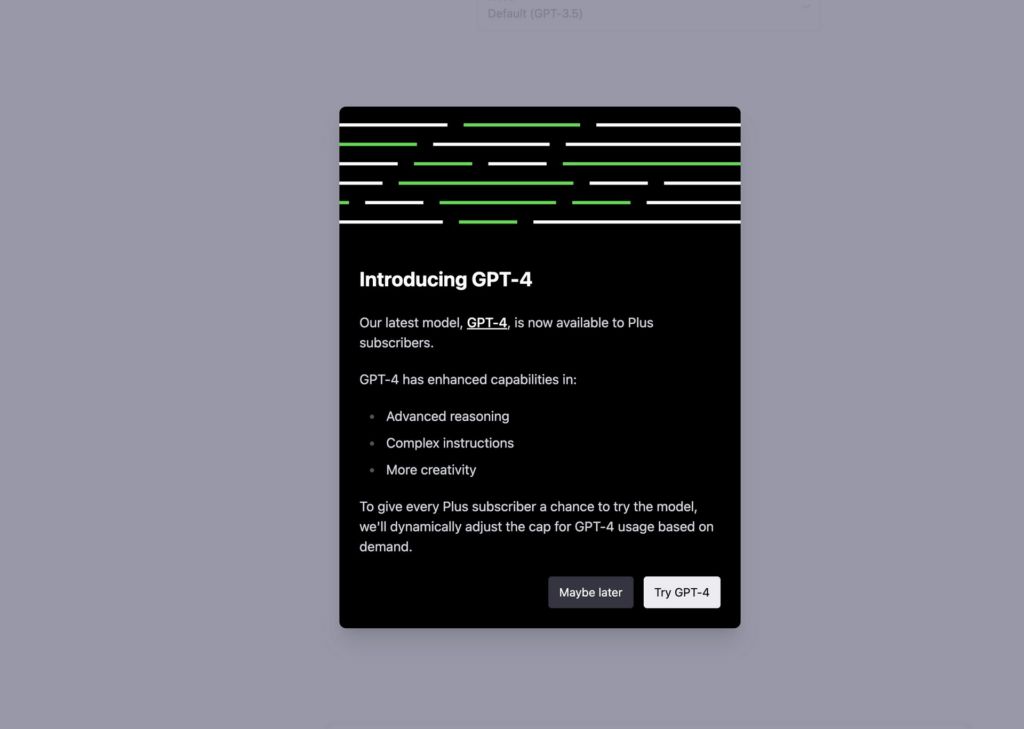
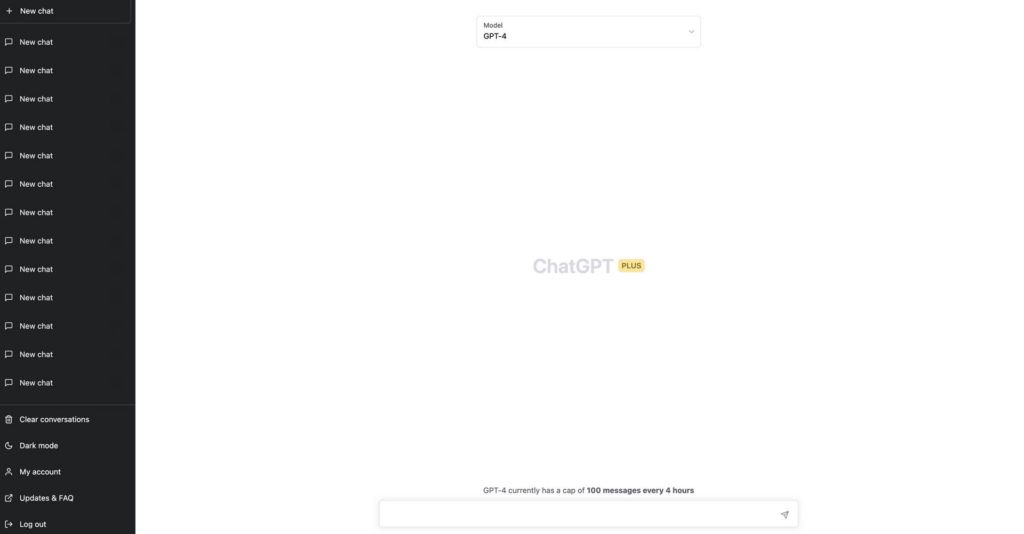
Click Continue, and you can start using shiny new GPT‑4!
If you only want to try it out, you can cancel auto‑renew.
Depay cards don’t have an overdraft function; they work more like debit cards. In theory, as long as you don’t add more money to the card, you don’t have to worry about being charged next month.
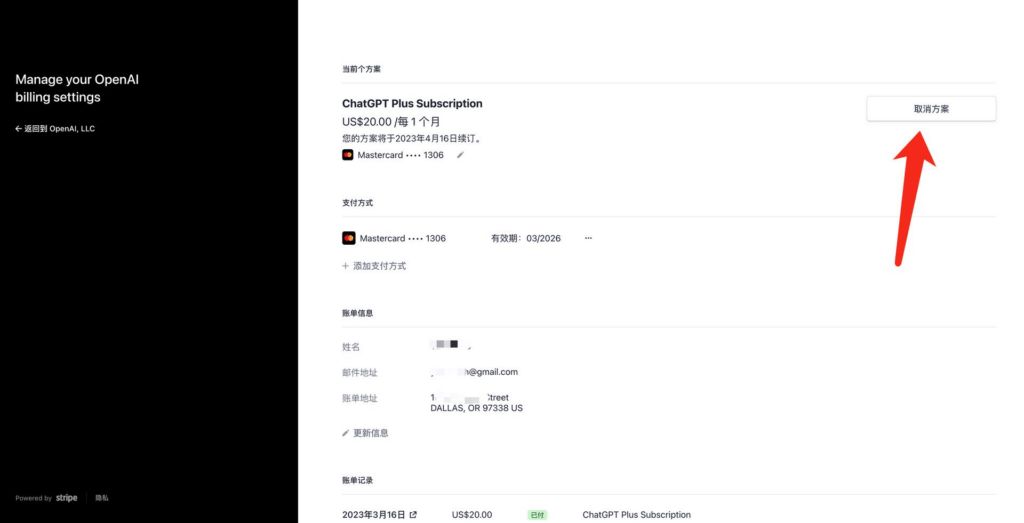
Still, for peace of mind, you can cancel auto‑renew:
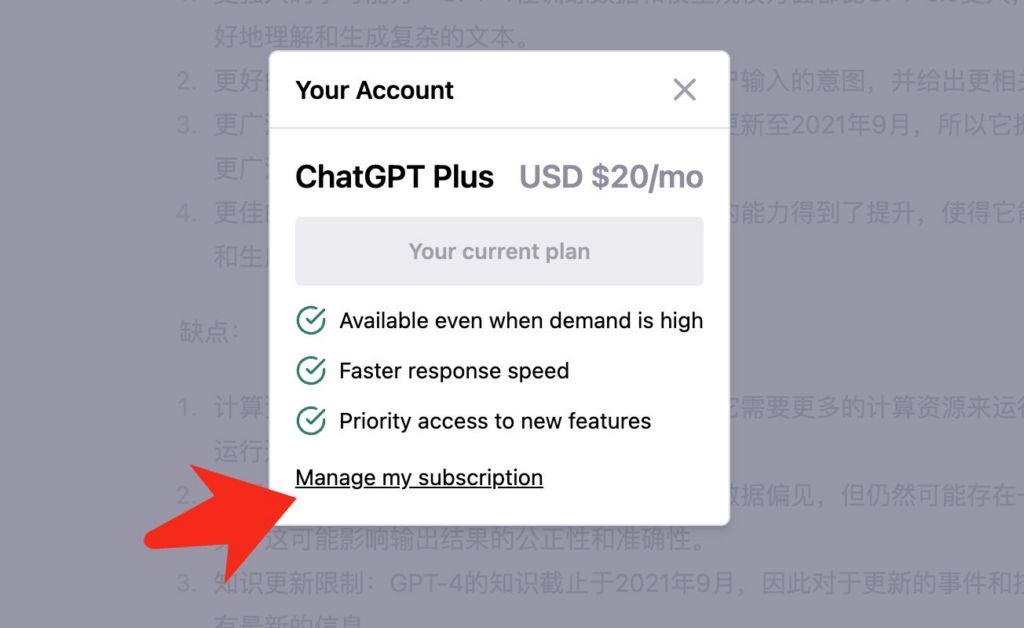
Open the ChatGPT home page and log in → bottom left → My Account → Manage My Subscription → Cancel plan.
In one sentence: don’t keep large amounts of money there; if you don’t want to do identity verification, just open a Lite card.
The following is quoted from the internet (I forgot the source = =):
Depay is reportedly a UK‑based company that provides multi‑scenario crypto payment solutions for individuals. It holds a U.S. MSB license and is regulated for compliance by FinCEN (Financial Crimes Enforcement Network). It has a clear, lawful operating entity that meets capital adequacy, information security, and KYC/AML standards required by financial regulators.
Depay supports USDT. It comes with GBP, EUR, and USD e‑money accounts, and lets you freely exchange and transfer between USDT and fiat currencies such as GBP, EUR, and USD—solving the on‑ and off‑ramp problem between crypto and fiat, and avoiding the classic “dirty money / frozen card” issues with traditional crypto cash‑outs. Since USDT is the bridging stablecoin, it effectively supports BTC, ETH, and other cryptocurrencies as well.
From actual usage, here are some key points:
The business is primarily aimed at users in mainland China—European and American users generally don’t need it. The signup flow is clearly designed for Chinese users, with Chinese‑language support and Chinese ID verification.
There are service fees and transaction fees: converting USDT to USD gives Depay about 1% profit, top‑ups of USD and other fiat to the Mastercard cost roughly 1% (varying by card tier), plus a small monthly fee. The business model is clear and profitable.
As a USD prepaid card in RMB payment scenarios, it can be linked to WeChat Pay and Alipay (Alipay itself charges an additional 3% fee, which is steep), JD.com, and supports JD shopping, Sinopec/PetroChina fuel cards, Meituan, Didi, PayPal, Tmall Global, Q‑Coin top‑ups, Pinduoduo, Maoyan movie tickets and events, VIP.com, and other mainstream services. Offline supermarket acceptance is limited, so it’s not perfect.
As a daily spending card, it enables seamless use of crypto for RMB payments (foreign payments are even easier), which is quite meaningful—especially for scenarios that require U.S./EU bank cards (credit cards), like paying for ChatGPT memberships. iPhone users can also use this Mastercard number plus a U.S. residential address (find one yourself) to open a U.S. Apple ID and access the U.S. App Store, unlocking previously unavailable apps.
The Depay card has been around for more than a year. Similar cards will likely become more common and more user‑friendly in the future—unless there are major changes in Western financial regulations.
In terms of potential risk: since Depay is a relatively small company, for overall fund safety you shouldn’t keep large balances there. Even if the service were to shut down someday for any reason, your potential loss would be limited. That said, as an EU/US‑compliant financial service, Depay is unlikely to act without basic integrity.
For reasons everyone understands, if you care about flexible cross‑border fund movement, it’s worth applying for a card early. Products like this are still relatively rare—you know what I mean.
From Zero to ChatGPT Plus: A Step‑by‑Step Guide from Mainland China